Evacuation plans
Safe routes, assembly points, lists of people with reduced mobility and regular drills, designed together with each community. This is the core of the protocol we are building.
Civilian humanitarian project · Unarmed · Pilot-design phase
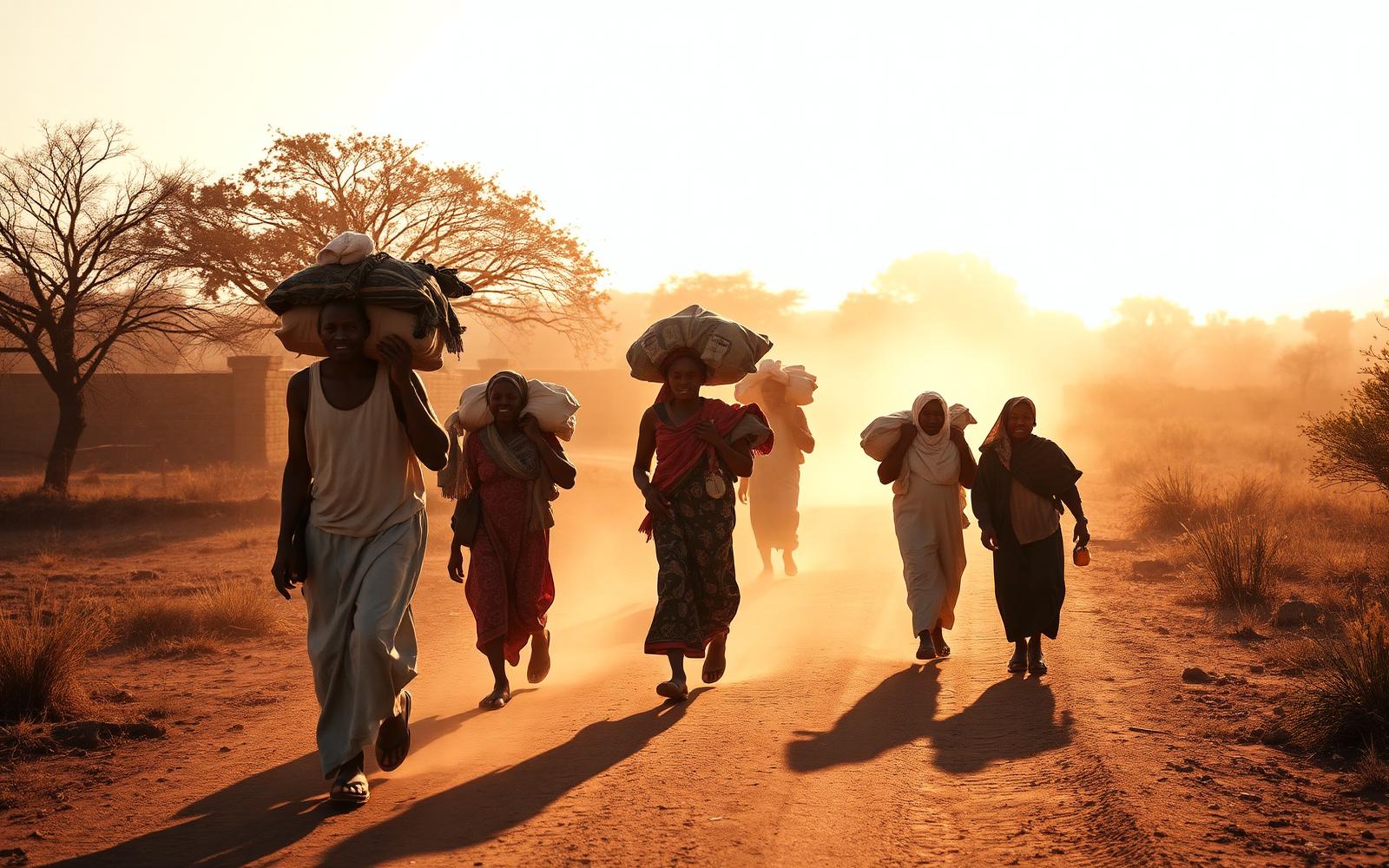
The alert exists; it almost never reaches the last kilometre in time. Together with Christian communities and minorities persecuted for their faith or ideology in Africa, we are designing the protocol that turns a warning into an orderly evacuation.
Current status
Research, team building and pilot design. Phase 1 goal: 15–20 communities within 6 months of starting on the ground.
Our position
“We carry no weapons, we form no militias and we take no part in any hostilities. Our only instrument is preparedness: timely information, safe routes and neighbours who open their doors.”
We adhere to the Code of Conduct of the International Red Cross and Red Crescent Movement (1994) and to the Sphere Humanitarian Standards.
Observatory · Project focus
The four contexts we follow, using external sources: intensity of persecution, displacement and the real capacity for community warning. We do not operate in any of them yet.
The context
51%
of global terrorism deaths in 2024 occurred in the Sahel
Global Terrorism Index 2025
3.3M
internally displaced people in north-east and north-west Nigeria
OCHA / UNHCR, 2024
~2.1M
internally displaced people in Burkina Faso due to armed violence
UNHCR, 2024
~3,100
Christians killed for reasons of faith in Nigeria during 2024
Open Doors, World Watch List 2025
These figures are estimates published by independent bodies and vary with methodology and collection period. We cite them to explain the operating context, not as our own count.
What we are building
Safe routes, assembly points, lists of people with reduced mobility and regular drills, designed together with each community. This is the core of the protocol we are building.
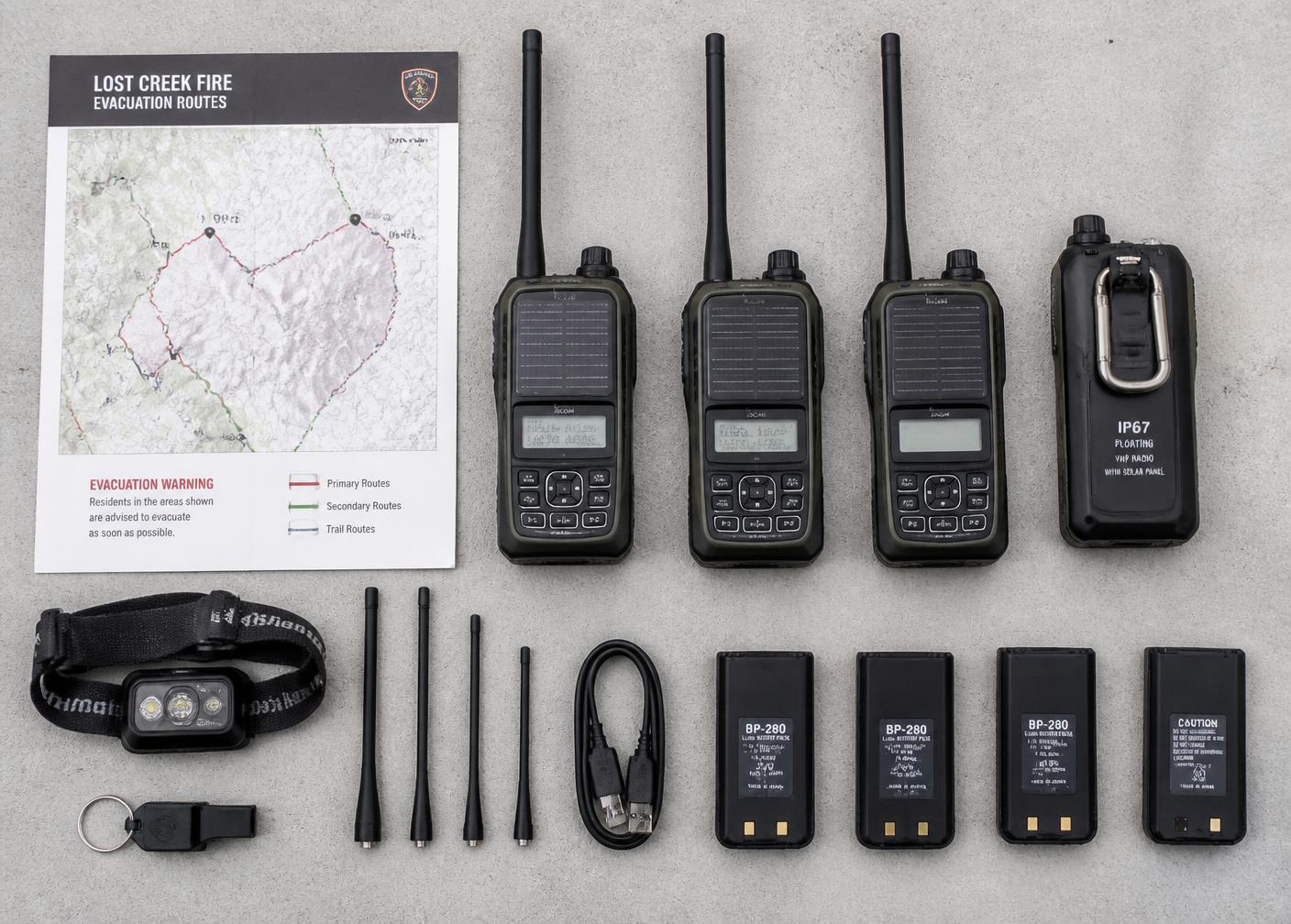
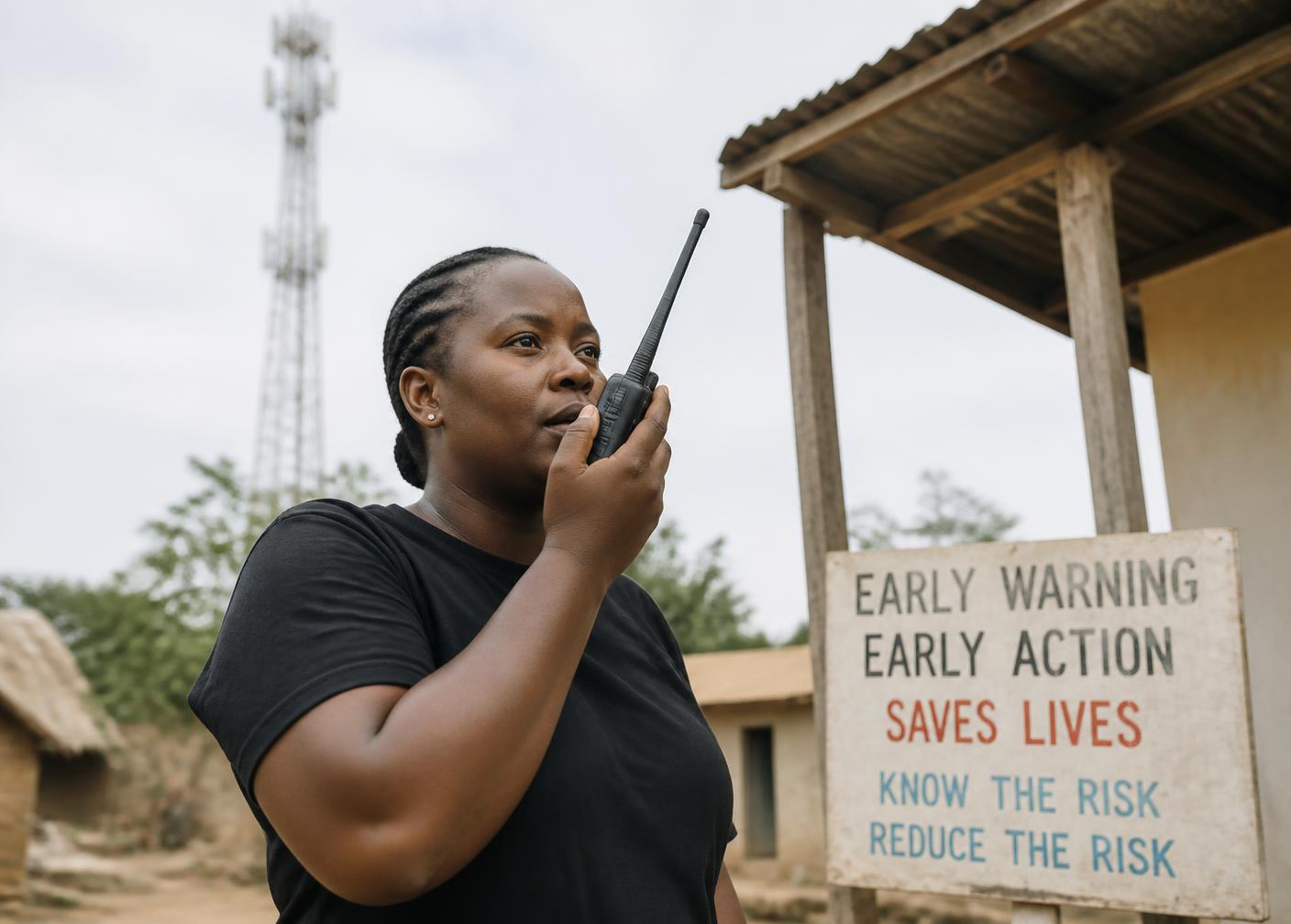
Solar VHF radios, SMS call trees and verification protocols to prevent rumours and panic. Model under design, pending field validation.
Hosting agreements between Christian, Muslim and traditional villages: water, shelter and schooling during displacement. Framework being drafted with local advice.
Planned training in bleeding control, basic mental health and child protection, referenced to the Sphere Standards.
Method
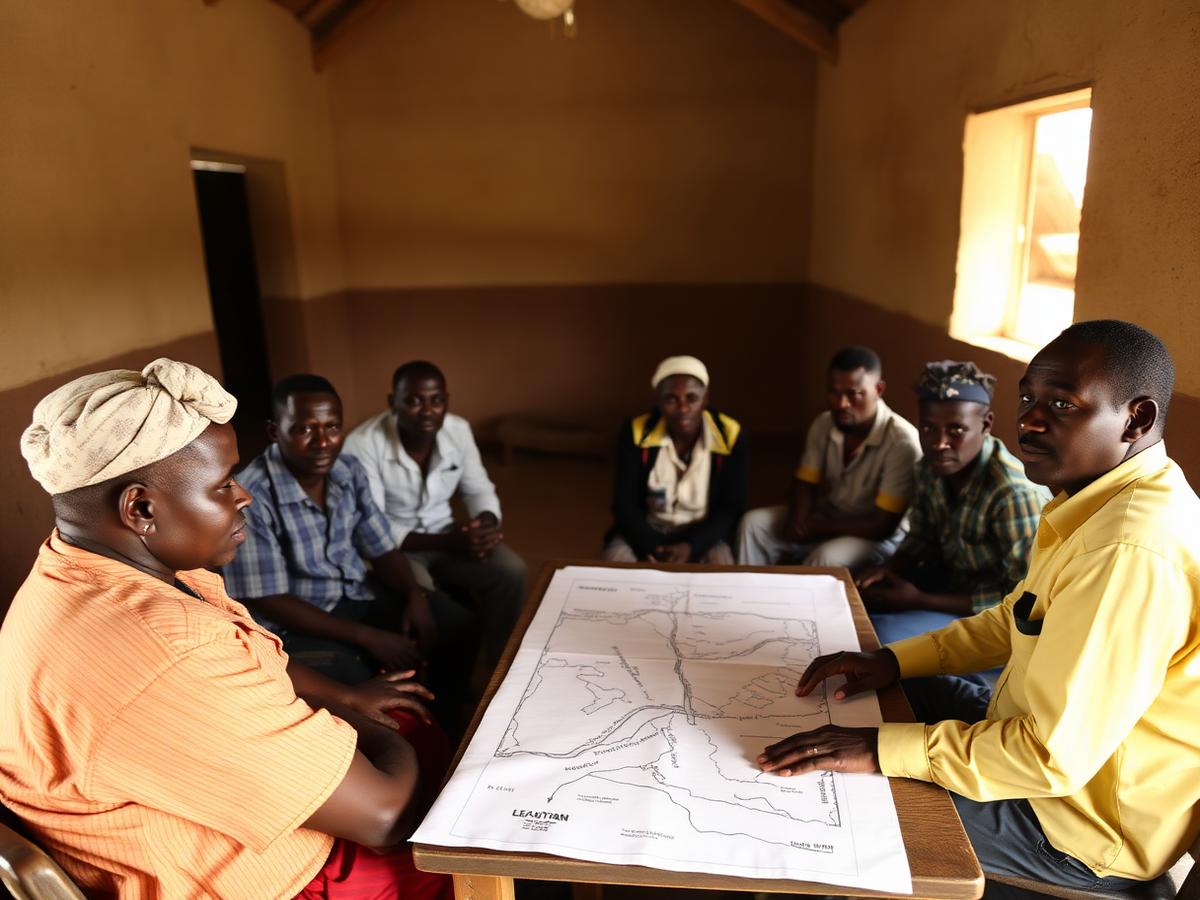
No route works if it is designed from a capital city. The model we are defining works with balanced local committees — elders, women, young people and catechists or imams — over eight weeks, until the plan stands without us.
Neighbourhood
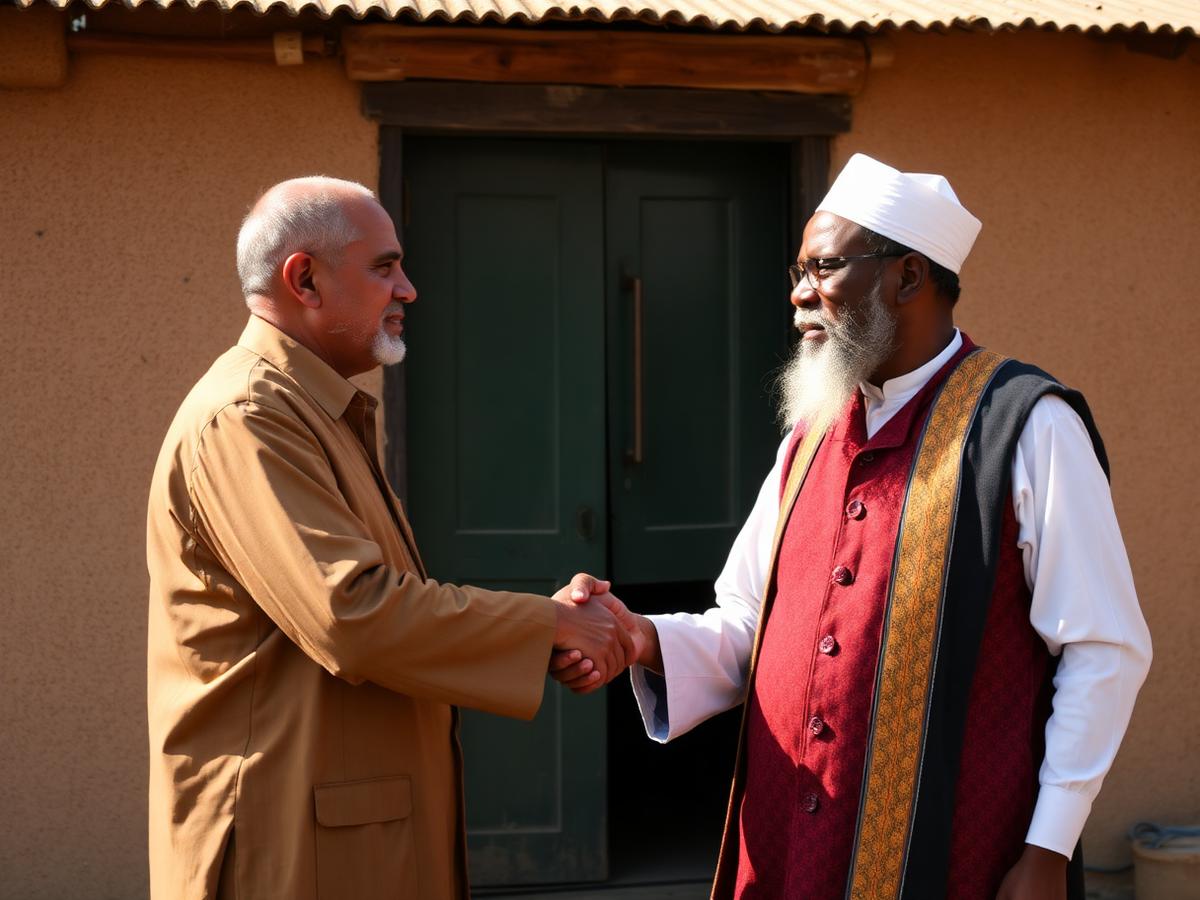
Most documented evacuations in the region end in majority-Muslim villages that open their homes. We design hosting agreements between Christian, Muslim and traditional communities: in writing, sharing water, food and school space, with a review every six months.
Planned equipment
Design specification for the pilot: standard civilian equipment, intended to operate transparently and legally. Each village would receive, maintain and audit its own kit.
Current phase: building the team
We are looking for a technical co-founder, local contacts and humanitarian advice
We are not fundraising yet: first a legal structure, a validated region and a protocol designed with the communities.